




Giới thiệu
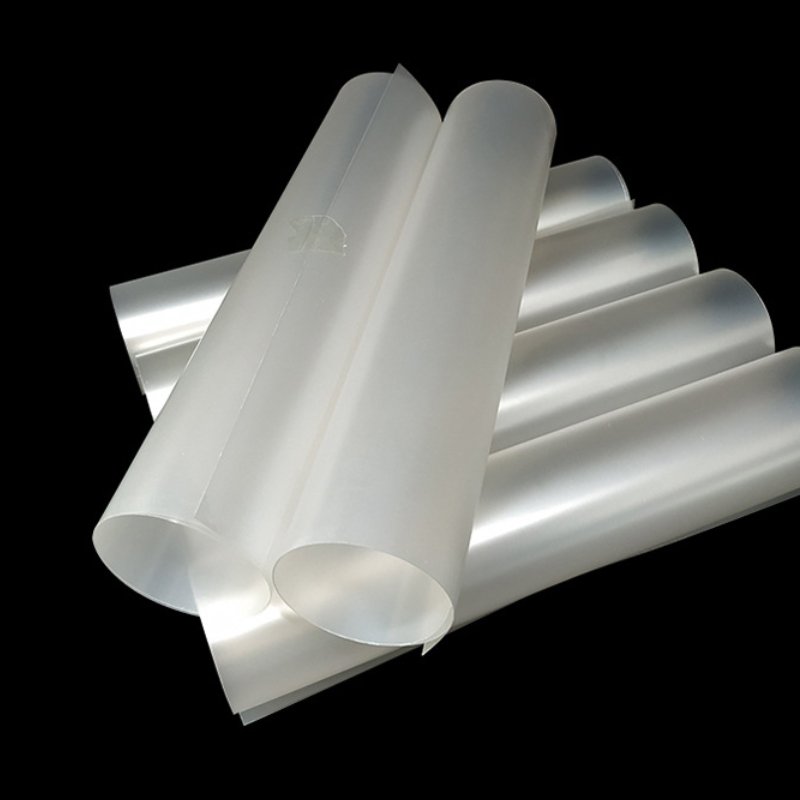
Industrial films are a category of specialized polymer films designed to withstand extreme conditions and deliver critical performance in challenging environments. Unlike general-purpose packaging films, industrial films are engineered for durability, resistance, and functionality, serving as essential components in manufacturing, construction, automotive, electronics, and other heavy-duty sectors. These versatile materials protect surfaces, insulate components, and enhance the reliability of industrial processes, making them indispensable in modern manufacturing and infrastructure.
What Is Industrial Film?
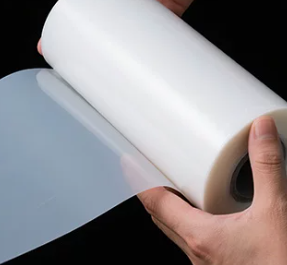
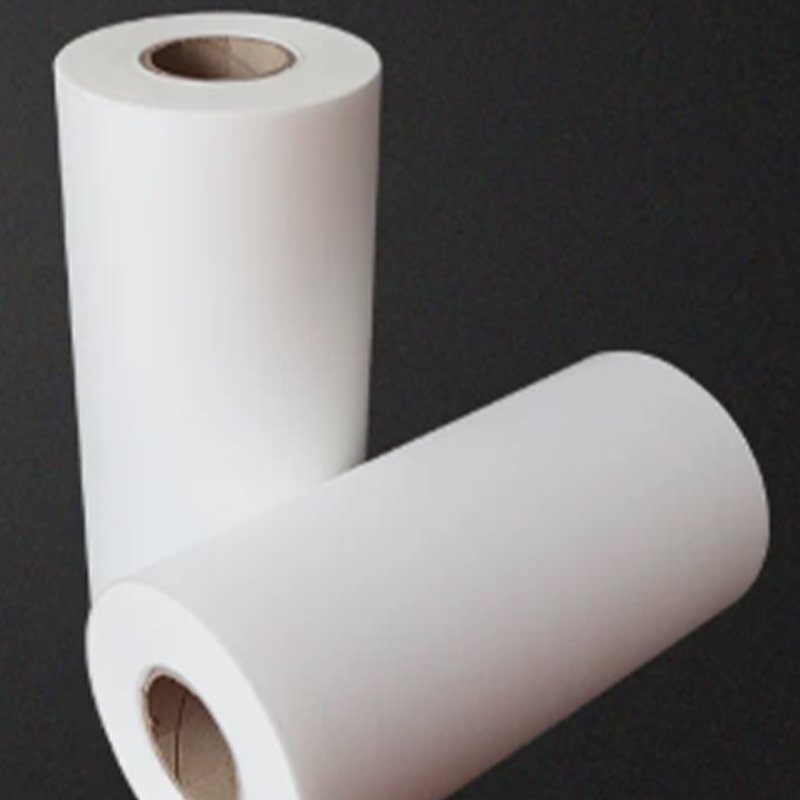
Industrial films are thin, flexible polymer sheets produced from a range of materials including polyethylene, polypropylene, polyester, fluoropolymers (e.g., PTFE, FEP), and polyvinyl chloride. What sets them apart is their ability to meet rigorous performance standards, such as high tensile strength, puncture resistance, temperature stability, chemical inertness, and UV resistance. They are often used in roll form, as die-cut parts, or as laminates, depending on the application requirements.
Key Performance Characteristics
Industrial films are selected based on specific functional properties tailored to their intended use:
- Mechanical Strength: High tensile strength, tear resistance, and dimensional stability to withstand physical stress during processing and use.
- Temperature Resistance: Ability to maintain performance across wide temperature ranges, from cryogenic conditions to high heat environments.
- Chemical Resistance: Inertness to acids, bases, solvents, and other corrosive substances, preventing degradation and contamination.
- UV & Weather Resistance: Stabilized formulations that resist degradation from sunlight, ozone, and environmental exposure.
- Barrier Properties: Controlled permeability to gases, moisture, and chemicals, protecting sensitive components from environmental factors.
Major Types of Industrial Films
Industrial films are categorized by material and intended application, each with unique properties:
1. Polyethylene (PE) Industrial Films
PE films are widely used in industrial applications due to their low cost, flexibility, and moisture resistance. High-density polyethylene (HDPE) films offer excellent strength and puncture resistance, making them ideal for construction vapor barriers, industrial liners, and heavy-duty packaging. Low-density polyethylene (LDPE) films, with their superior flexibility, are used as protective wraps and dust covers.
2. Polyester (PET) Films
PET films are valued for their high tensile strength, dimensional stability, and resistance to chemicals and heat. They are commonly used as base films for graphic overlays, electrical insulation, and release liners in adhesive applications. Biaxially oriented PET (BOPET) films, in particular, offer exceptional clarity and mechanical performance.
3. Fluoropolymer Films (FEP, PTFE)
Fluoropolymer films, including FEP (fluorinated ethylene propylene) and PTFE (polytetrafluoroethylene), are known for their extreme chemical inertness, non-stick properties, and high-temperature resistance. These films are widely used in food processing (as release liners for baking and molding), electrical insulation, and industrial processes requiring resistance to harsh chemicals.
4. Polypropylene (PP) Industrial Films
PP films offer good chemical resistance, heat stability, and low cost, making them suitable for use in battery separators, capacitor dielectrics, and industrial packaging. Oriented PP films provide enhanced stiffness and dimensional stability for demanding applications.
Key Industrial Applications
Industrial films serve diverse sectors with specialized requirements:
1. Construction & Building
- Vapor Barriers: PE films prevent moisture infiltration in building envelopes, protecting structures from mold and decay.
- Protective Covers: Temporary films shield construction materials (e.g., floors, windows, countertops) from dust, scratches, and damage during building processes.
- Insulation Backing: Metallized PET films reflect heat, improving the energy efficiency of insulation systems.
2. Automotive
- Paint Protection Films (PPF): Clear polyurethane films protect vehicle exteriors from scratches, stone chips, and environmental damage.
- Interior Trim Films: Decorative and protective films applied to dashboard components, door panels, and trim pieces.
- Thermal Insulation: Reflective films reduce heat transfer in engine compartments and passenger cabins.
3. Electronics & Electrical
- Insulation Films: PET and polyimide films insulate circuit boards, transformers, and electrical components, preventing short circuits and heat buildup.
- Release Liners: Silicone-coated films serve as backing for adhesive tapes and labels, ensuring clean release during application.
4. Manufacturing & Processing
- Release Films: Non-stick FEP and silicone films are used in molding processes (e.g., composite manufacturing, food processing) to prevent material adhesion.
- Protective Wraps: Heavy-duty PE films protect machinery, tools, and components during shipping and storage.
Trends & Advancements in Industrial Film
The industrial film market is evolving with technological advancements and growing demand for high-performance solutions:
- Advanced Coatings: Functional coatings (e.g., anti-static, anti-fog, UV-stabilized) enhance film performance for specific applications.
- Multi-Layer Structures: Co-extruded films combine multiple polymers to create tailored properties, such as enhanced barrier or impact resistance.
- Sustainable Materials: Recyclable and bio-based industrial films are being developed to reduce environmental impact without compromising performance.
- Thin Film Technologies: Ultra-thin, high-strength films enable lightweight solutions in aerospace, automotive, and electronics industries.
Conclusion
Industrial films are the unsung heroes of modern manufacturing and infrastructure, providing critical protection and functionality in demanding environments. From construction sites to automotive assembly lines, these versatile materials enhance product reliability, reduce maintenance costs, and improve process efficiency. At [Your Company Name], we offer a comprehensive range of industrial films engineered to meet the most challenging application requirements, combining performance, durability, and cost-effectiveness in every solution.