








はじめに
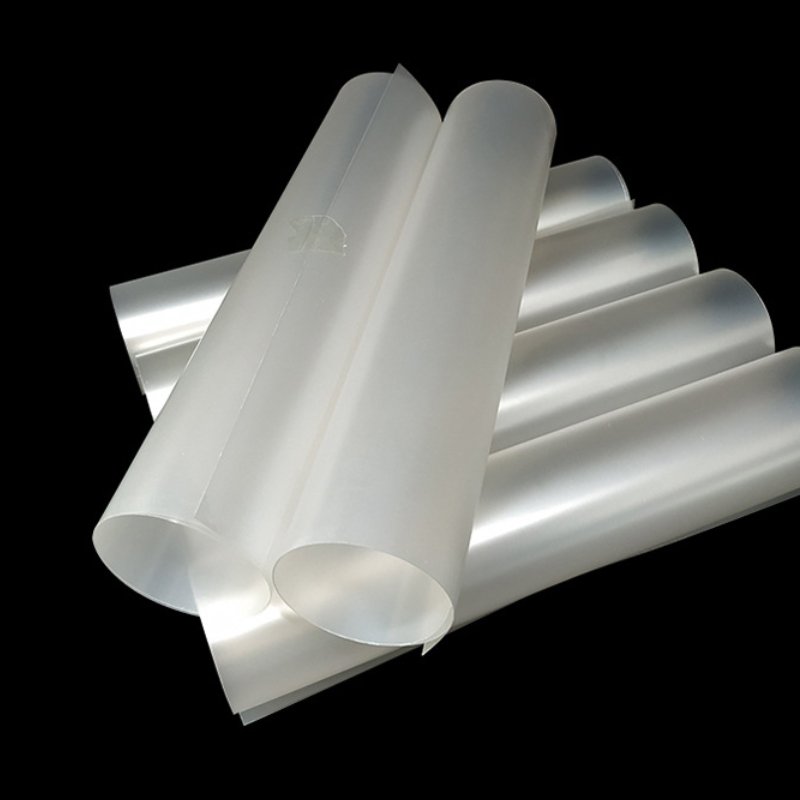
Packaging film is one of the most essential materials in the global supply chain, serving as the primary barrier between products and the external environment. From food and beverages to pharmaceuticals and consumer goods, these thin, flexible polymer sheets play a critical role in preserving product quality, extending shelf life, and enhancing brand presentation. In recent years, the packaging film industry has evolved far beyond basic wrapping materials, with advanced formulations and manufacturing processes enabling solutions that meet increasingly demanding performance and sustainability requirements.
What Is Packaging Film?
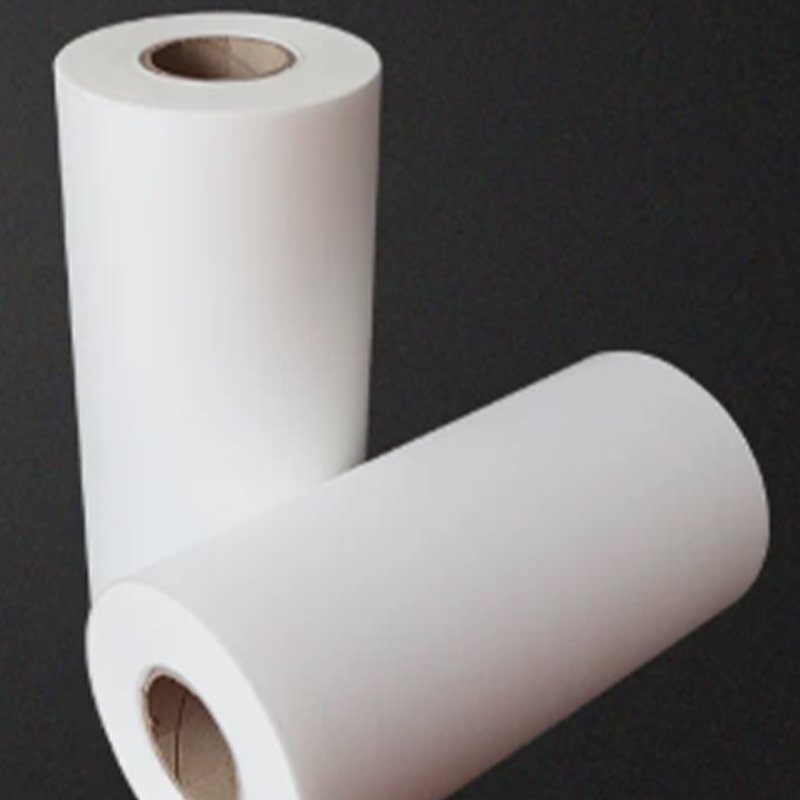
At its core, packaging film is a thin, flexible material designed to contain, protect, and present products. It is typically produced from polymer resins such as polyethylene (PE), polypropylene (PP), polyester (PET), and polyvinyl chloride (PVC), with specialized grades engineered for specific applications. Unlike rigid packaging like bottles or cans, packaging film offers unique advantages including lightweight construction, high flexibility, cost-effectiveness, and the ability to conform to nearly any product shape.
Key Functions of Modern Packaging Film
The primary functions of packaging film have expanded significantly beyond basic containment:
- Protection: Acts as a barrier against moisture, oxygen, light, dust, and physical damage, preventing contamination and product degradation.
- Preservation: Maintains the freshness and quality of perishable goods by controlling gas exchange and moisture levels.
- Presentation: Enhances product visibility and appeal through clear, high-gloss, or printed surfaces, supporting brand differentiation on crowded retail shelves.
- Convenience: Enables easy opening, resealing, and portion control, improving user experience for consumers.
Major Types of Packaging Film
Packaging films are categorized based on material, structure, and intended use, each with distinct properties:
1. Polyethylene (PE) Films
PE films are the most widely used packaging materials due to their excellent flexibility, low cost, and good moisture resistance. Common variants include:
- Low-Density Polyethylene (LDPE): Known for high clarity, flexibility, and sealability, ideal for food bags, shrink wraps, and stretch films.
- High-Density Polyethylene (HDPE): Offers superior strength, stiffness, and chemical resistance, suitable for heavy-duty bags, liners, and industrial packaging.
- Linear Low-Density Polyethylene (LLDPE): Combines the toughness of HDPE with the flexibility of LDPE, providing enhanced puncture resistance for stretch films and multi-layer structures.
2. Polypropylene (PP) Films
PP films are valued for their high clarity, heat resistance, and excellent printability, making them popular in food packaging and labels. Biaxially oriented polypropylene (BOPP) films, in particular, offer exceptional stiffness, dimensional stability, and barrier properties, often used as outer layers in multi-layer packaging.
3. Polyester (PET) Films
PET films are characterized by high tensile strength, dimensional stability, and excellent resistance to chemicals and moisture. They are commonly used as base films for metallized packaging, lamination, and high-performance barrier applications.
4. Multi-Layer Co-Extruded Films
Advanced multi-layer films combine different polymers to create tailored performance properties. For example, a typical food packaging film might include:
- A sealant layer (PE) for easy heat sealing
- A barrier layer (EVOH or nylon) to block oxygen and moisture
- An outer layer (PET or PP) for strength and printability These structures provide optimal protection for sensitive products while minimizing material usage.
Applications Across Industries
Packaging films serve diverse sectors with specialized requirements:
- Food & Beverage: Used in snack packaging, frozen food bags, beverage labels, and vacuum-sealed meats, where oxygen and moisture control are critical.
- Pharmaceuticals: Sterile packaging films protect medications from contamination while maintaining regulatory compliance.
- E-Commerce & Logistics: Stretch and shrink films secure pallet loads during transit, while protective films prevent damage to consumer goods.
- Cosmetics & Personal Care: Clear, glossy films enhance product presentation while providing tamper-evident seals.
Trends & Innovations in Packaging Film
The packaging film industry is undergoing rapid transformation driven by sustainability and technological advancements:
- Eco-Friendly Solutions: Biodegradable, compostable, and recyclable films made from plant-based materials (e.g., PLA, seaweed) are gaining traction to address plastic waste concerns.
- Smart Packaging: Films integrated with sensors or indicators monitor product freshness, temperature, and tampering, providing real-time quality data.
- Digital Printing: Short-run, customizable printing on films enables brands to offer personalized packaging and reduce inventory waste.
- Lightweighting: Advanced formulations and thinner gauges maintain performance while reducing material usage and carbon footprint.
Conclusion
From simple grocery bags to sophisticated multi-layer barrier structures, packaging film remains an indispensable component of modern commerce. As the industry continues to innovate with sustainable materials and advanced technologies, the role of packaging film in protecting products and meeting consumer demands will only grow more critical. At [Your Company Name], we specialize in developing and manufacturing high-quality packaging films tailored to diverse industry needs, combining performance, sustainability, and cost-effectiveness in every solution.